Case Study
Blade Sharpening Jig Case Study
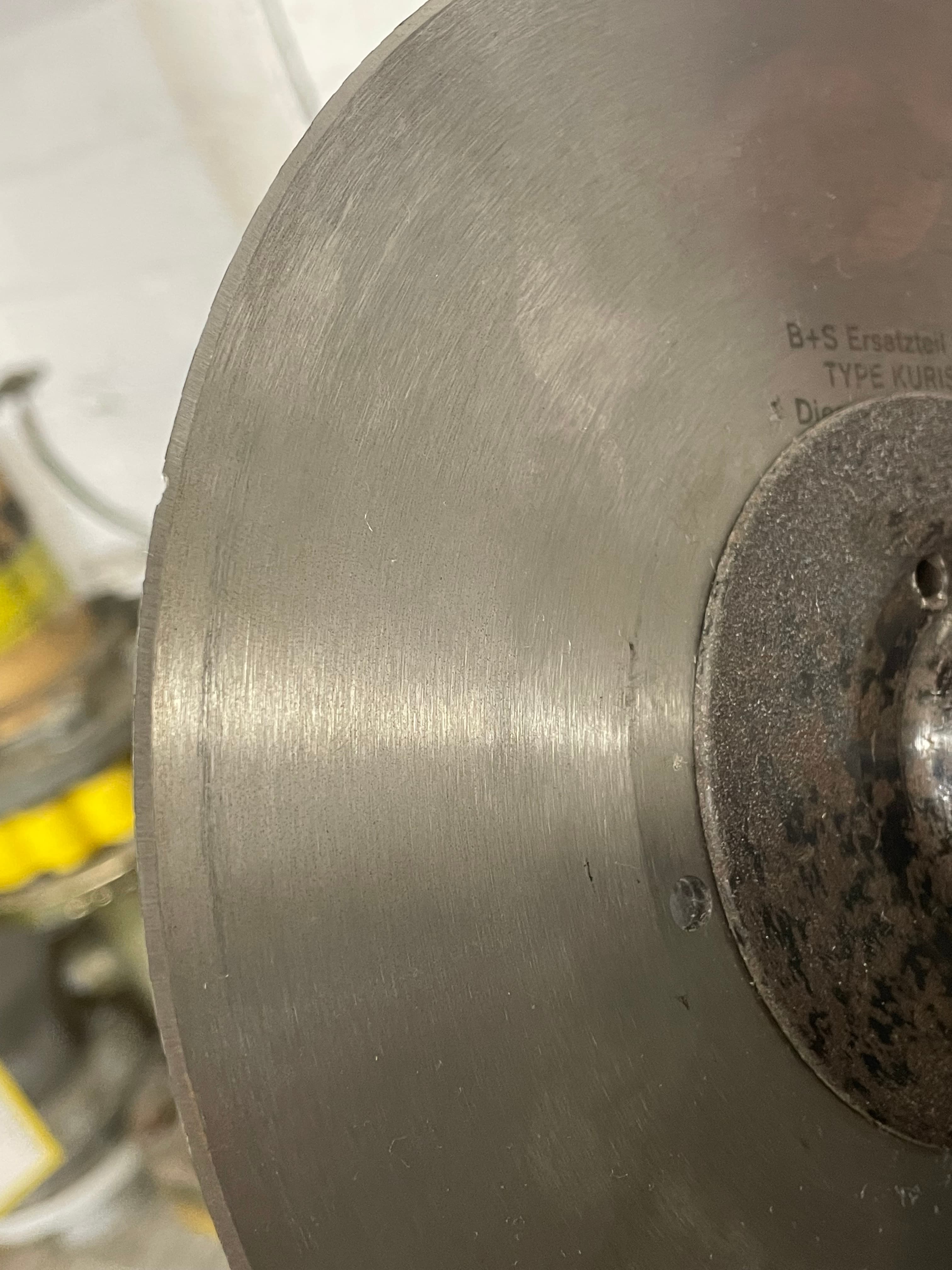
While I was working on a contract in a textile company, I was asked to investigate a bottleneck on a cutting line just over 12 months old. The cutting blade kept jamming, which caused the motor shaft to shear into pieces. A new motor was installed, then the bearing on the cutting shaft failed. Each time a new blade was installed, the problem repeated. The line was a significant bottleneck.
Lead: Tom Brennan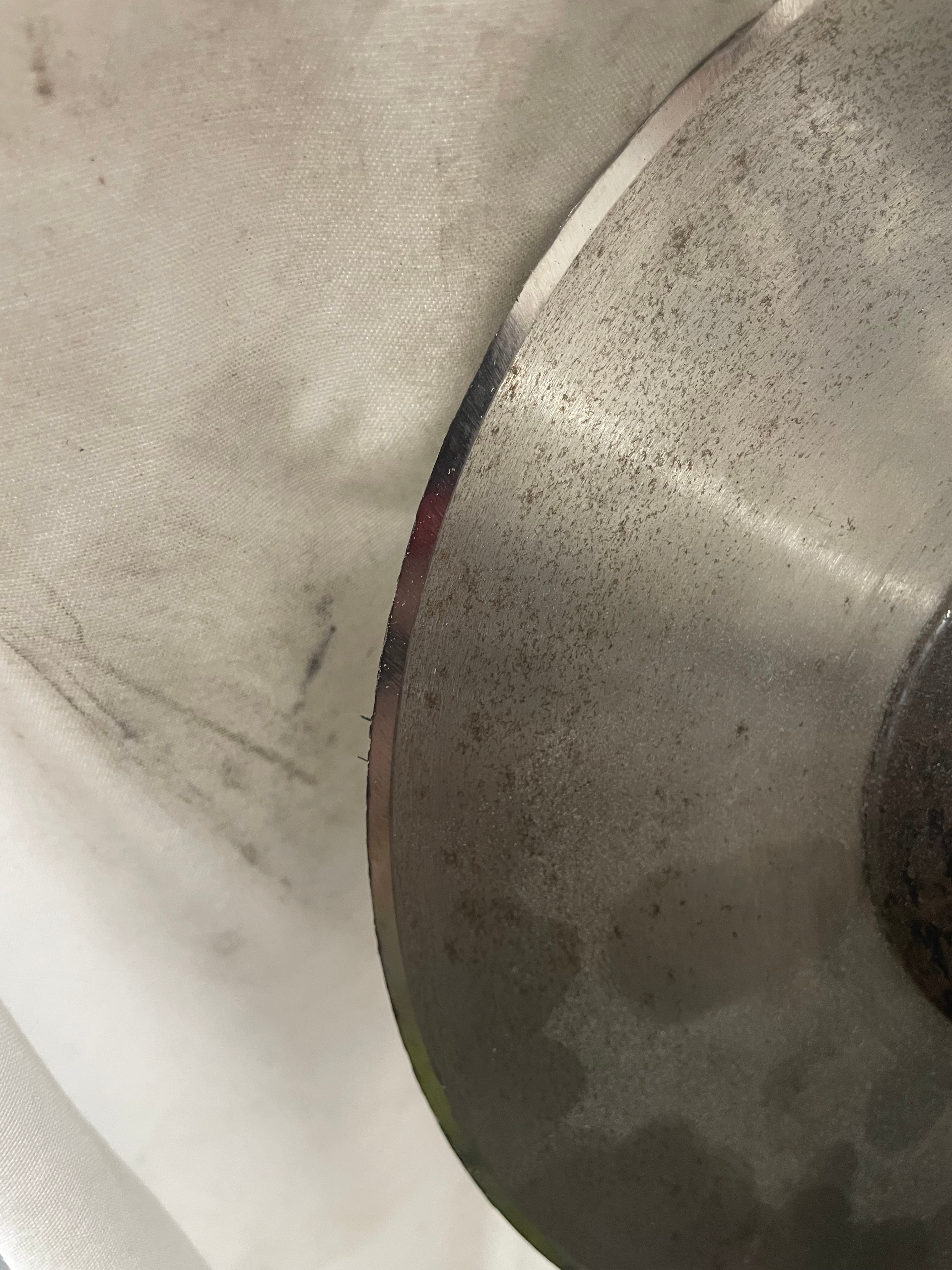
Root cause
The blade was struggling to cut the material, causing excessive stress on the motor and shaft.
Solution
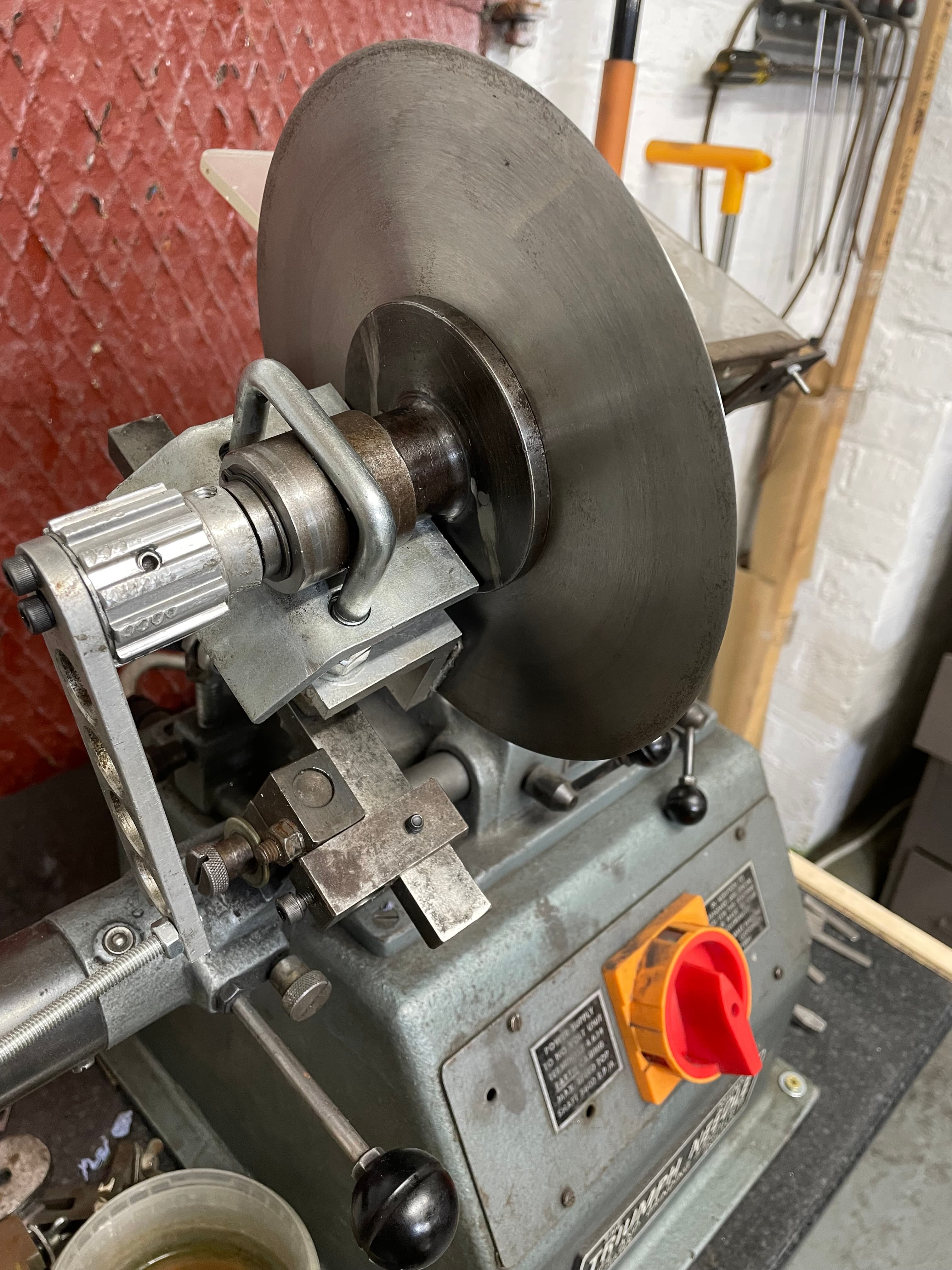
I designed a jig for the grinder that allowed me to change the pitch of the blade and sharpen it. I used the old sheared shaft that had been replaced and modified it to fit on the grinder — turning scrap into a precision tool. I then iterated through two more versions of the jig, improving it each time (three versions total).
Results
- Overall downtime reduced by 50% initially, improved to 80–85%
- Cutting-related downtime reduced by approximately 90% (blades still blunt naturally but can now be sharpened rather than replaced)
- Line ran noticeably quieter — operator remarked on this
- Less stress on motor and shaft
- Old blades previously discarded could now be salvaged and reused — ongoing cost saving
Need a closer look?
Find the real cause of your production problem.
Have a line where the smallest components keep costing you the most? Get in touch.
Manufacturers facing a similar engineering challenge? Explore our services.
Reference
Manufacturing terms
Loading relevant glossary terms…
Related reading
Related engineering notes
How We Turned a Sheared Shaft into a Blade Sharpening Jig
Repeated blade jams on a textile cutting line caused motor-shaft failures. Three jig versions reduced overall downtime by up to 85% and cutting-related downtime by approximately 90%.
Read engineering note